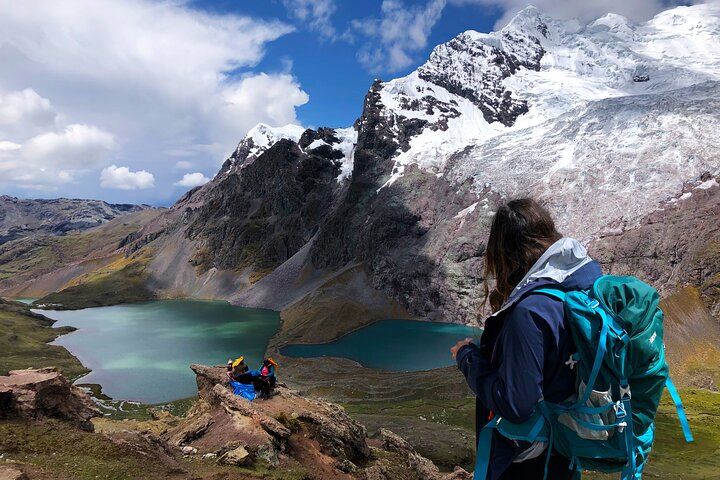

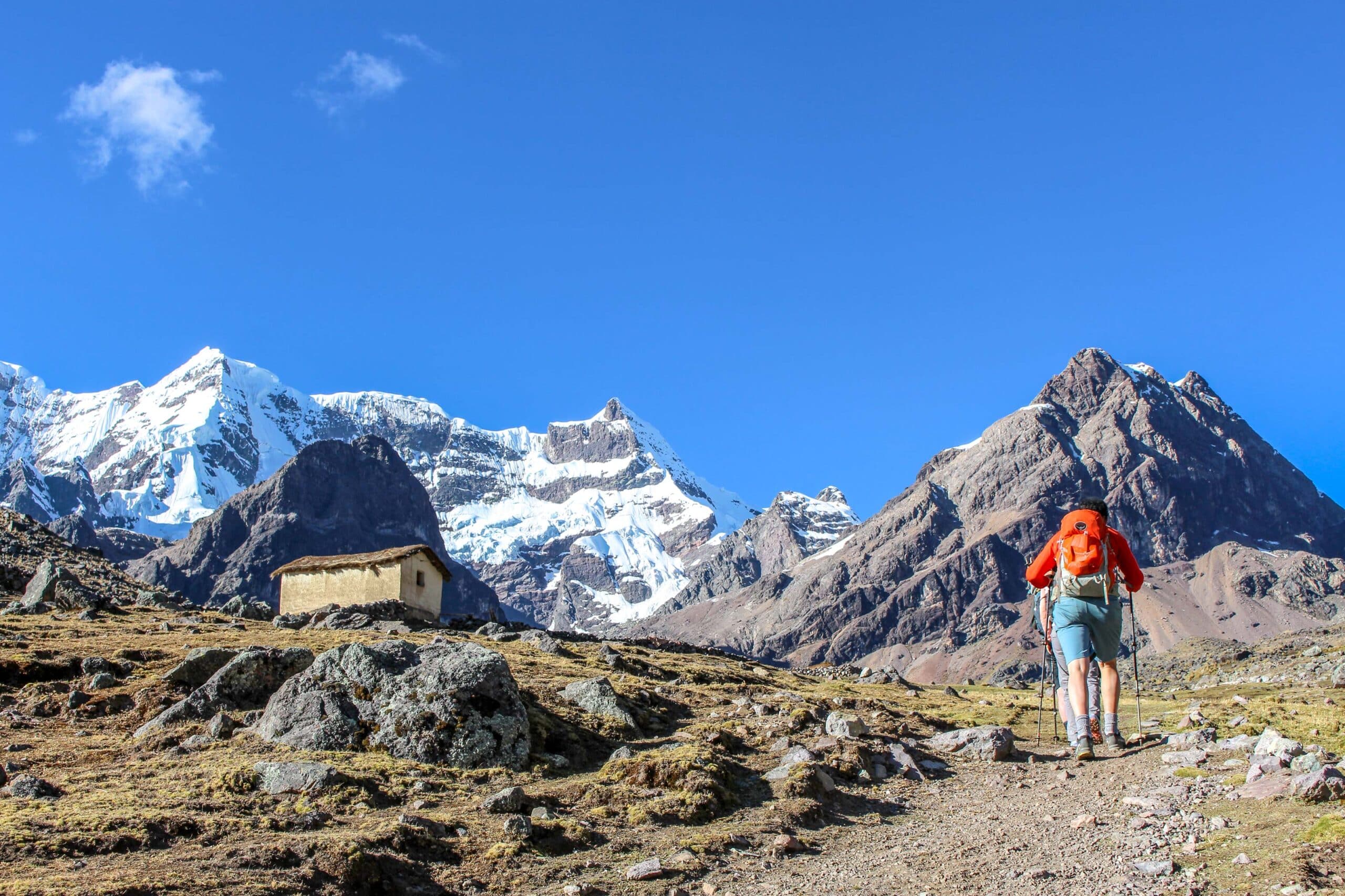
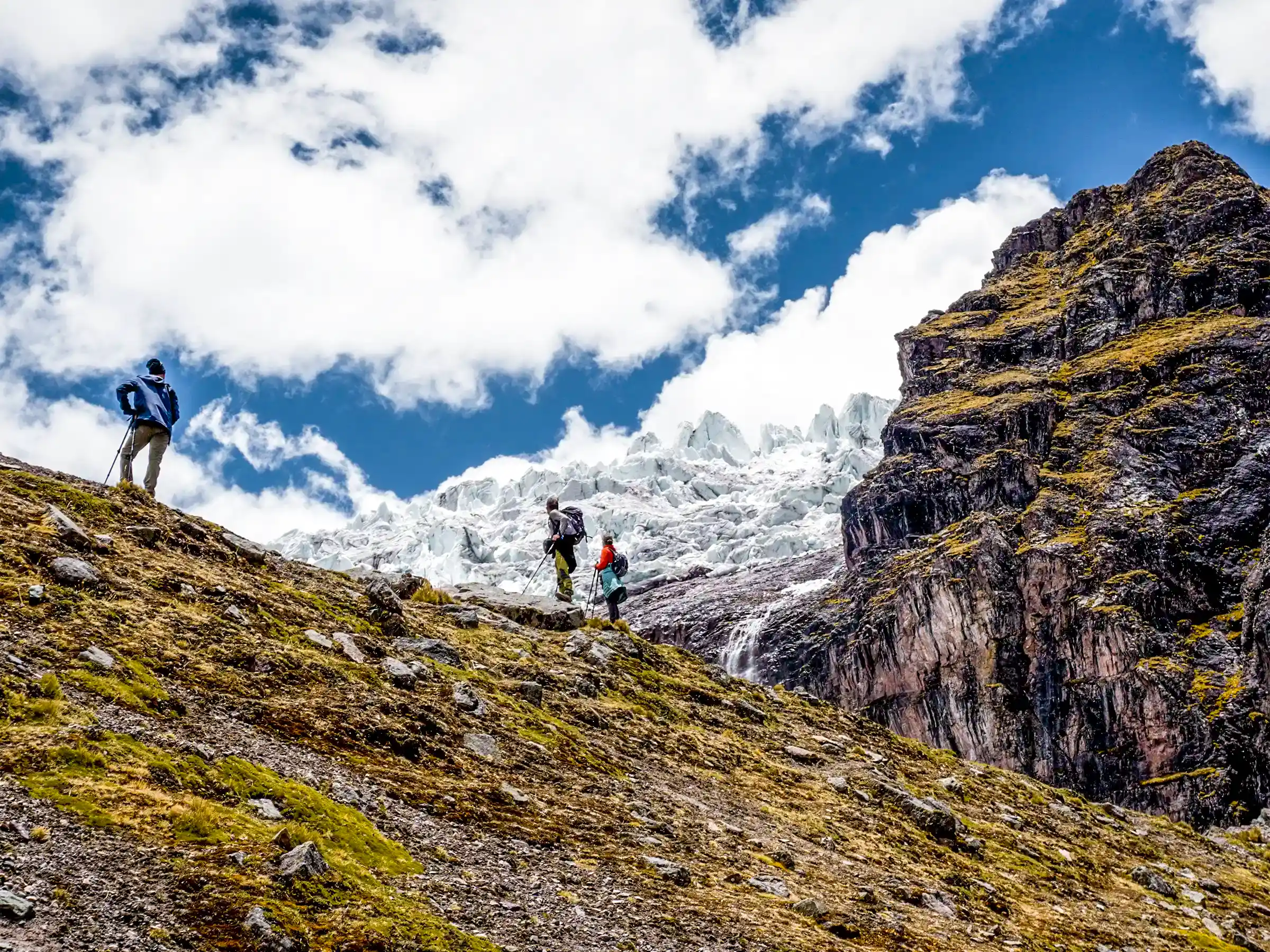
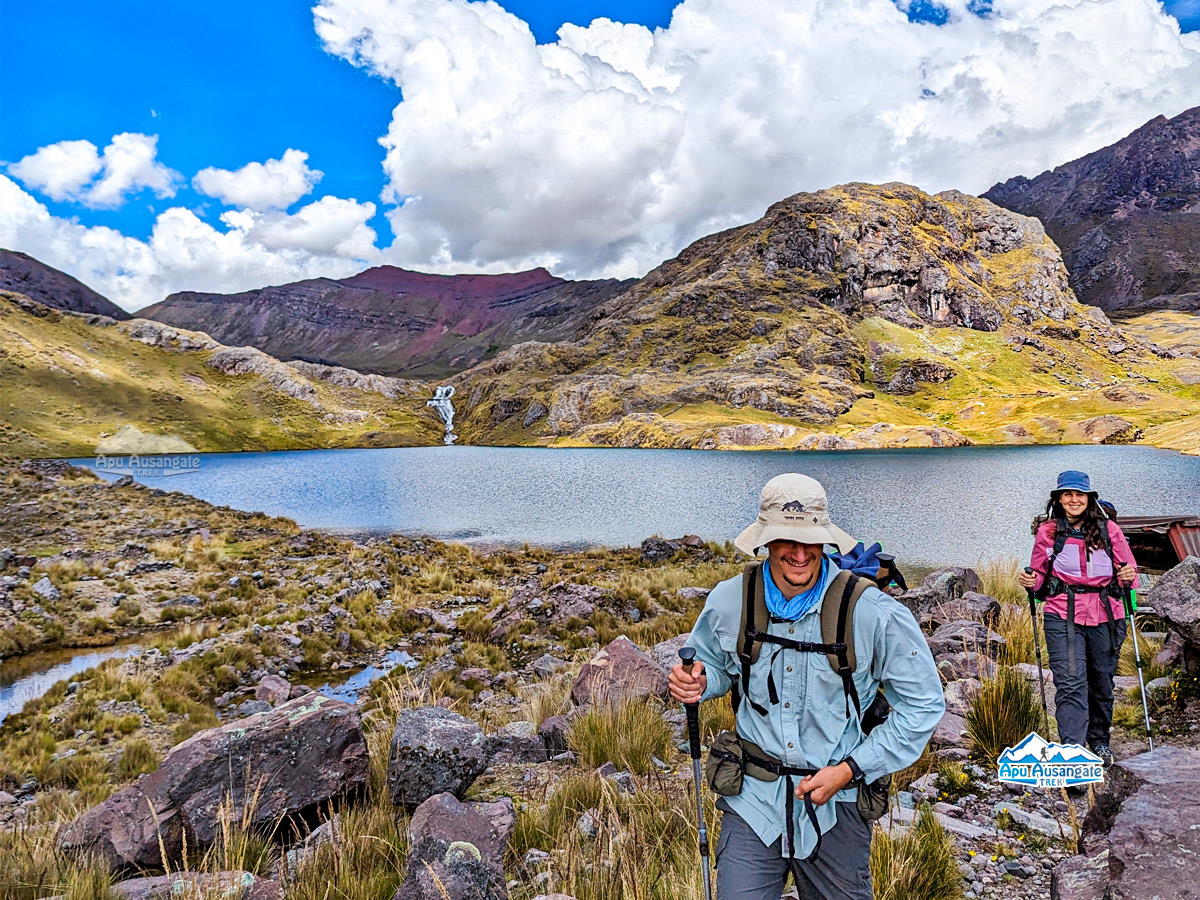





The Ausangate Trek (5 Days) is undoubtedly one of the most scenic trails in Cusco, offering an off-the-beaten-path experience. The Ausangate Glacier towers as the highest peak in Cusco, standing at an impressive altitude of 6,372 meters above sea level.
Locally known as “Apus,” Ausangate was sacred to the Incas and continues to be revered by the Andean population today. Every year, thousands of pilgrims hike to the small church in the Sinakara Valley. On clear days, the sacred peak of Ausangate dominates Cusco’s southern skyline.
The Ausangate Trek (5 Days) is a once-in-a-lifetime experience, leading you through untouched nature. The trail offers captivating views from the start, guiding you through high mountain passes adorned with glacial lakes and hot springs. This journey also provides the opportunity to witness the lifestyle of remote Andean communities, where people maintain a pastoral way of life, herding alpacas and llamas.
These communities still practice “Ayni,” meaning reciprocity in Quechua. This concept extends to their relationships with both people and nature. To ensure a good harvest, they make offerings to the “Apus.”
While the trail does not lead to Machu Picchu, it may be even more intriguing than the Inca Trail.
Difficulty of the Ausangate Trek:
The Ausangate Trek is classified as a challenging experience, with high passes ranging between 4,700 meters and 5,200 meters above sea level. The trek involves crossing two high points: the Apara Pass at 4,850 meters and the Palomani Pass at 5,165 meters. Altitude sickness is a serious concern here. It is strongly recommended to spend at least 3–4 days acclimatizing in Cusco before embarking on the trek.
We also suggest consulting your doctor about using Diamox, an effective medication for combating altitude sickness. Here, locals often chew coca leaves, which might seem unusual but act as mild stimulants to alleviate thirst, hunger, pain, and fatigue without the psychoactive effects of cocaine.
Best Time for the Ausangate Trek:
Ausangate is the highest mountain in Cusco and part of the Vilcanota Mountain Range in the Andes. This region experiences two distinct seasons: a dry season and a wet season. The Peruvian highlands receive rain from December to March, making trails slippery. Therefore, the ideal time to do the Ausangate Trek is during the dry season, which runs from April to November.
Why Choose Tayra Tours Cusco?
Tayra Tours Cusco is a trusted adventure tour operator in Cusco. We provide specialized guides for all our high-altitude treks. Our guides are local experts born and raised in Cusco. They possess deep knowledge of customs, traditions, and first aid practices.
We will leave Cusco early in the morning by bus. On our way to the highlands of Tinqui (4050m/13287ft), we will pass small farms and meet local families. After a brief stop to pack your belongings into duffel bags, we will start hiking toward the community of Upis (4400m/14436ft).
Upon arrival, we will pause for lunch and take in the stunning hill scenery and the front view of the Ausangate Glacier. After lunch, we will continue hiking toward the Arapa Pass (4800m/15748ft). We will then descend to Yanacocha (4500m/14763ft), where we will set up camp.
After breakfast, we will explore incredible lakes and various colorful landscapes as we ascend to the Pucacocha Pass (4900 m above sea level). From there, we will continue to Anantapata (4500 m above sea level), where we will camp.
After breakfast, we will follow the trail to another mountain pass. On the descent, we will walk by Kayrawiri Lake, surrounded by rugged mountain peaks and the vast valley below.
Colorful streaks decorate the slopes. We will then continue toward Cerro Laya Grande, passing the massive Del Inca Glacier, where we will admire the vibrant colors of the Yauricunca or Vinicunca sediments.
We will have lunch in this unique landscape. We will also observe hundreds of Andean geese nesting on the cliffs of Anta, and later return to Ananta before continuing to Ausangate Qocha Lake (4650 m above sea level), where we will camp.
On this day, we will tackle the highest point of the trail, the Palomani Pass (5100 m above sea level), offering breathtaking panoramic views of the snow-covered Ausangate.
Descending along the glaciers, we will hike to Finaya, a plain where we can see various types of camelids such as alpacas, llamas, and wild vicuñas. With luck, we might even spot condors. After an intense day of hiking, we will arrive at Jampa (4700 m above sea level), where we will camp.
The highlight of this day is undoubtedly the spectacular ascent to the Campa Pass (5050 m above sea level). Additionally, we will pass by several beautiful lakes on the way to Pacchanta (4350 m above sea level).
Here, we will visit the hot springs and enjoy a typical lunch. After relaxing in the hot waters, we will return to Cusco by car.
The Apu Ausangate, one of the highest mountains in the Peruvian Andes, rises majestically to over 6,300 meters above sea level and is a focal point for the spiritual beliefs of the communities that inhabit its surroundings. This mountain is not only known for its natural beauty but also for its connection to the Andean deities. For centuries, the locals have performed thanksgiving rituals to the mountain, such as offerings and ceremonies, to ask for protection and well-being. In addition, Ausangate is considered the protective father of the nearby communities, which attribute an ancestral power vital to their crops and livestock.
The history of Ausangate is marked by its relationship with the pre-Incan cultures that inhabited the region, such as the Aymaras and Qhichuas, who settled in the high Andean plateaus. The Qhapaq Ñan (the network of roads from the Inca Empire) runs through the heart of these mountains, connecting the towns of the region with the rest of the empire and facilitating cultural and commercial exchange.
In the context of the Andean worldview, mountains are not just geographical formations; they are living beings filled with spiritual energy. The figure of the Apu is central to this belief, as it is believed that each mountain is the home of a spirit that cares for the natural environment and the communities that depend on it. Thus, tourists undertaking the trek are not only exploring an impressive landscape but also immersing themselves in a space full of profound meanings for the local communities.
Trekking through the Apu Ausangate is considered one of the most spectacular and demanding in Peru. As travelers ascend the high peaks, they pass through a variety of ecosystems, from puna landscapes filled with glacial lakes and colorful rock formations to deep valleys covered with lush vegetation. Along the way, trekkers have the opportunity to observe a great diversity of Andean fauna, such as alpacas, llamas, vicuñas, and occasionally, the majestic Andean condor flying over the cliffs.
The Ausangate route is famous for its surreal landscapes, especially the famous Rainbow Mountain (Vinicunca), whose hills are adorned with intense, vibrant colors thanks to the unique mineralization of the soil. In addition to the natural beauty, the trek offers travelers a significant physical challenge, as the extreme altitudes can cause altitude sickness, requiring proper preparation and acclimatization.

Accepted Payment Methods





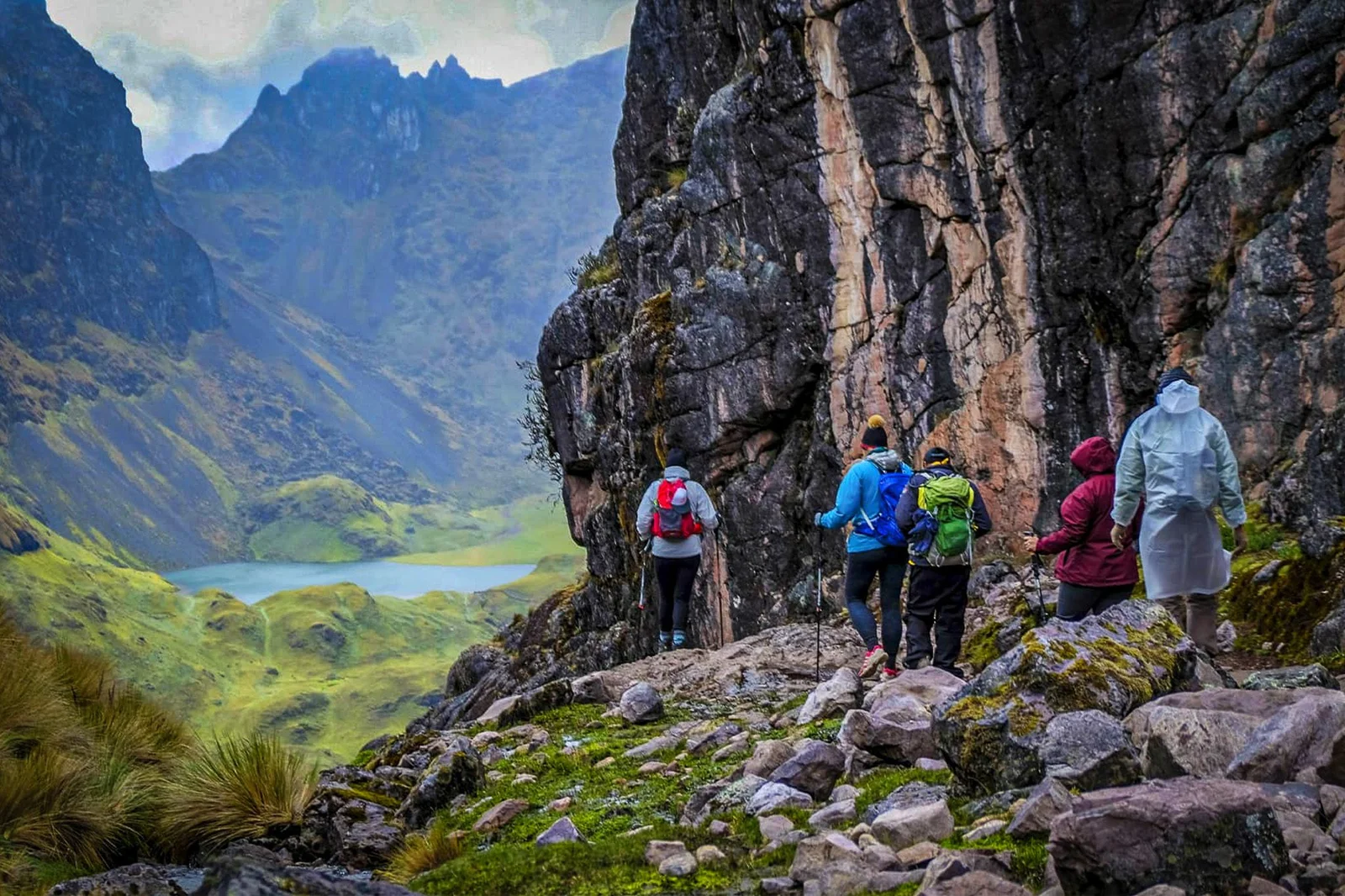 Alternative Treks
 Salkantay Treks
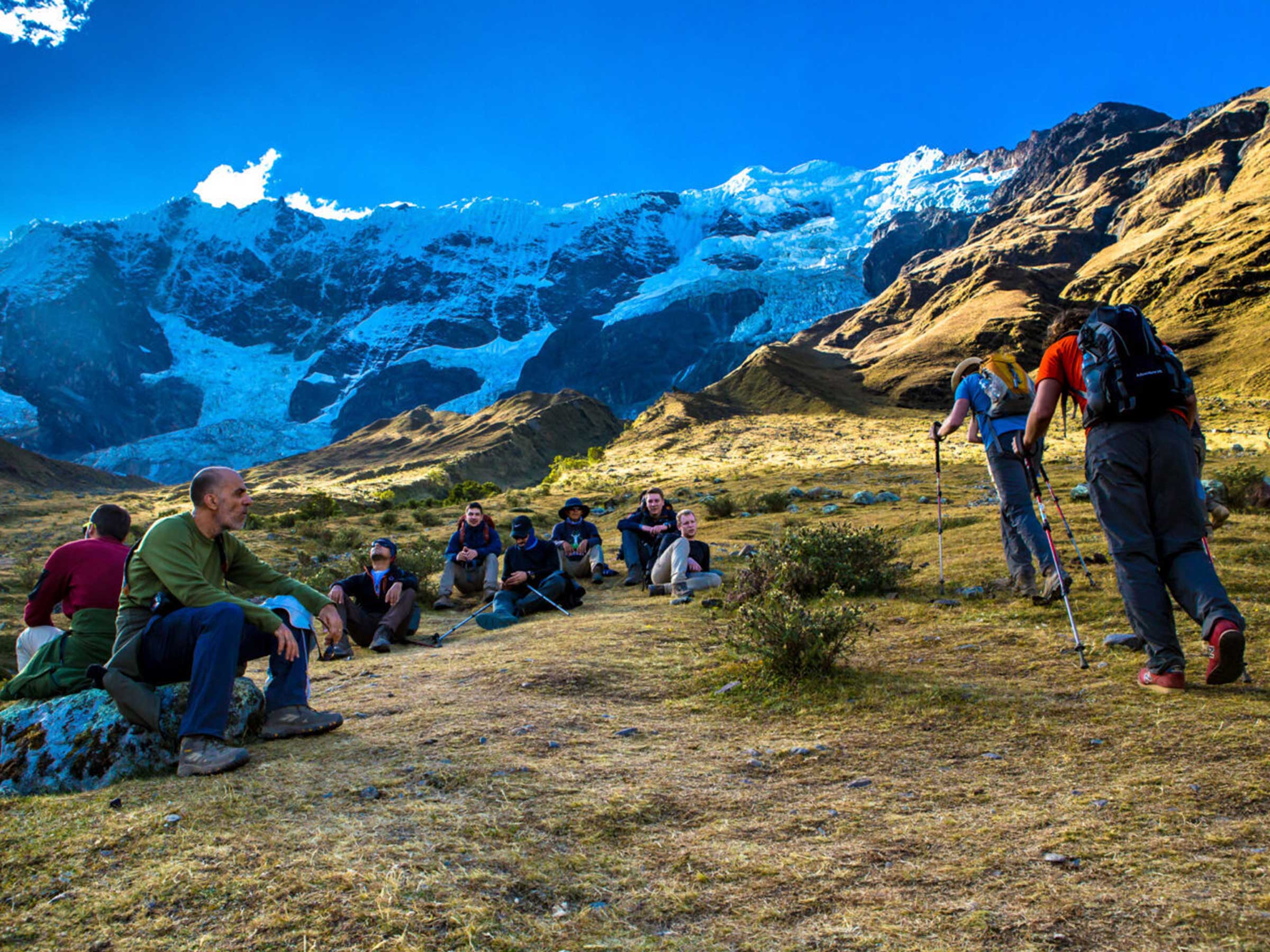 Salkantay Treks
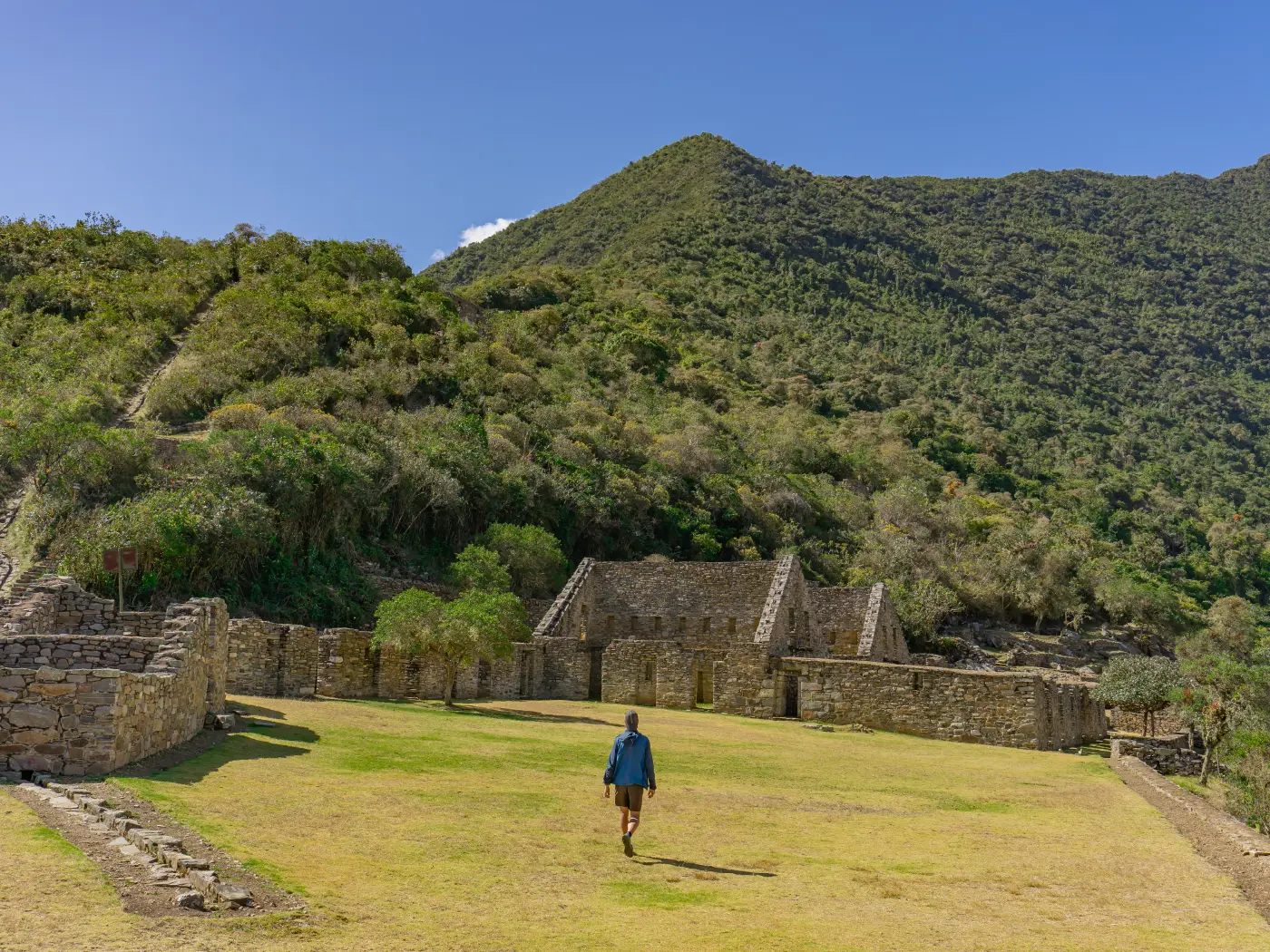 Alternative Treks