
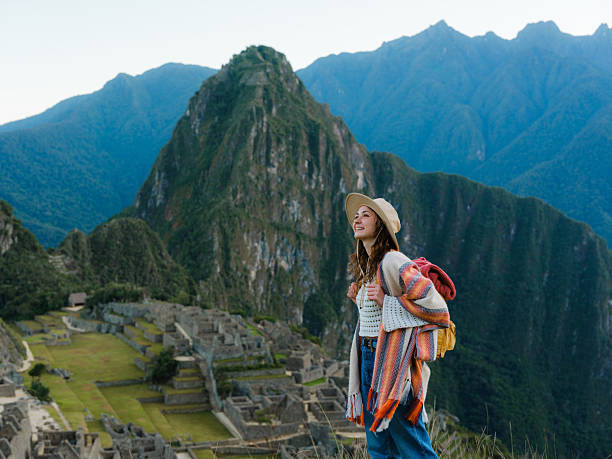





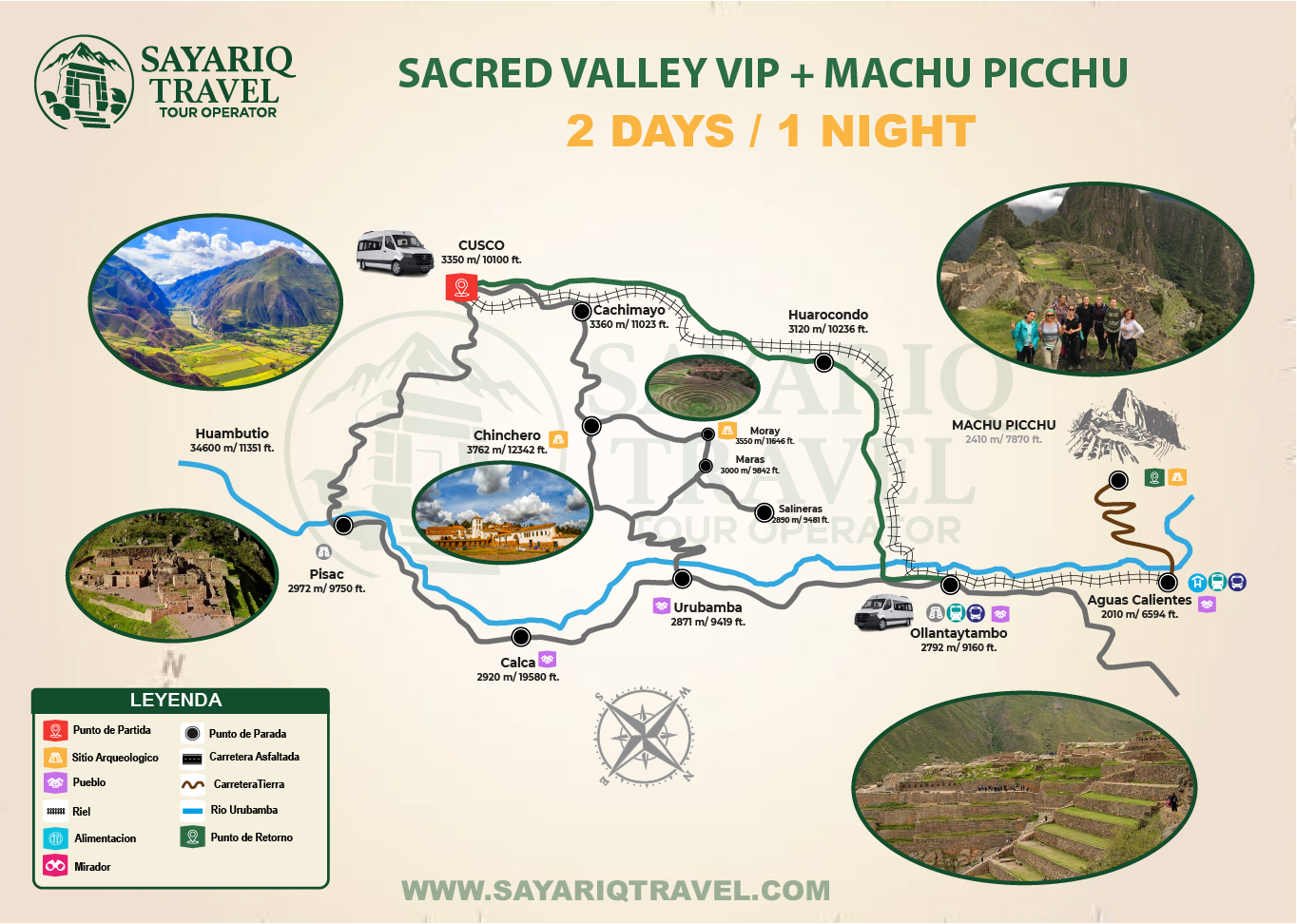
The Sacred Valley VIP with Connection to Machu Picchu tour combines the Sacred Valley VIP tour with an excursion to Machu Picchu. This is ideal for you if you want to visit the greatest number of attractions in the Sacred Valley in one day. Additionally, upon arriving in Ollantaytambo, you’ll be able to take your train to Machu Picchu Pueblo at the time indicated on your ticket and visit Machu Picchu on the second day.
We’ll start by visiting Chinchero, Moray, and the Salt Mines (Salineras). Then, we’ll enjoy a buffet lunch in the heart of the Sacred Valley and finally head to Ollantaytambo, where we’ll take the train to Machu Picchu Pueblo.
Machu Picchu Pueblo is a charming small town divided by the Allcamayo and Vilcanota rivers, filled with restaurants, craft shops, and hotels. The advantage of spending the night in Machu Picchu Pueblo is that you can wake up early and be among the first to enter Machu Picchu the next day, enjoying the citadel with fewer tourists. We recommend doing this activity between April and September.
On this day, we’ll pick you up from your hotel between 6:35 a.m. and 6:45 a.m. to start our tour of the Sacred Valley of the Incas. The Sacred Valley is located at an altitude of 2,790 meters above sea level and includes Chinchero, Moray, the Salt Mines, Urubamba, Ollantaytambo, and Pisac. Each of these sites contains archaeological remains built by different Incas. The Sacred Valley holds great historical significance as one of the main agricultural centers, recognized for its fertile lands, which still produce the finest corn.
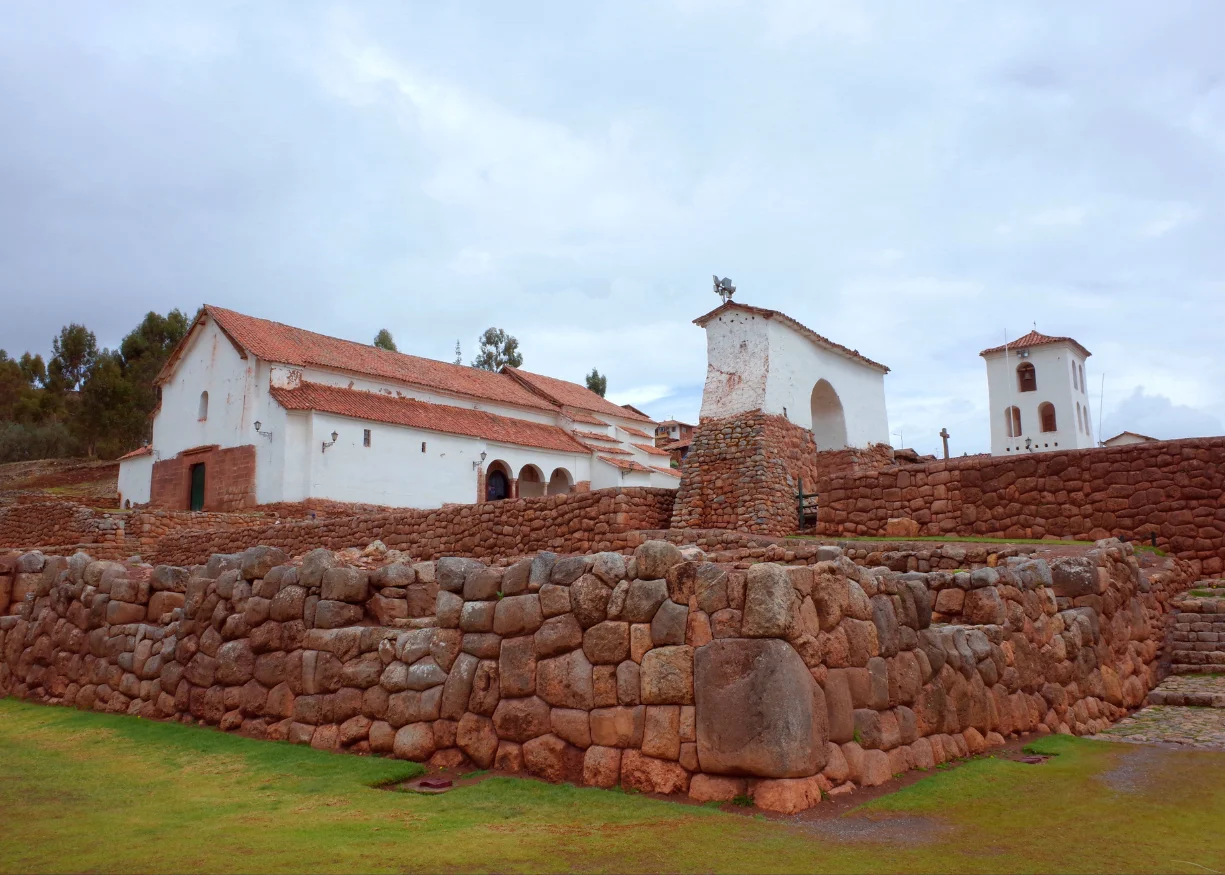
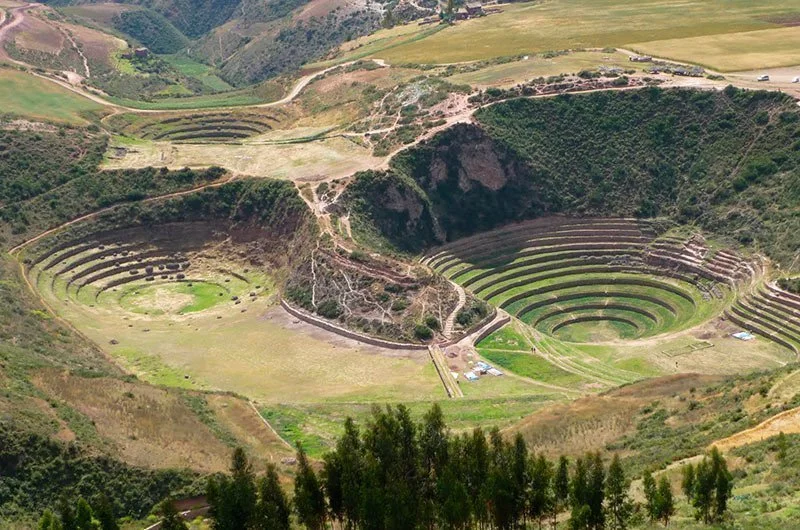
Our first stop will be Chinchero, a place that has preserved its traditional textile and ceramic arts. We’ll spend about 40 minutes here, visiting the colonial church, known for its remarkable paintings from the 15th and 17th centuries. Next, we’ll visit Moray, an agricultural research center where experiments were conducted at different altitudes. Then, we’ll explore the Maras Salt Mines, also known as the Piscinas de Sal de Maras (Maras Salt Pools), which consist of over 3,000 ponds of various sizes and shapes. These ponds are owned by local families who harvest and iodize the salt before selling it in the market. We’ll spend 30 minutes at Maras and Moray.
Continuing our journey, we’ll arrive in Urubamba, where we’ll enjoy a buffet lunch. After lunch, we’ll visit the city of Ollantaytambo, dating back to the 15th century. Here, we’ll board our train to Machu Picchu Pueblo at the time indicated on your train ticket.
The journey from Ollantaytambo to Machu Picchu Pueblo takes approximately two hours. At Machu Picchu Pueblo, our representative will meet you at the train station and take you to the hotel. That evening, our local guide will meet with you to review the itinerary for the following day.
Day 1 Itinerary Summary for the Sacred Valley with VIP Connection to Machu Picchu:
Day 1:
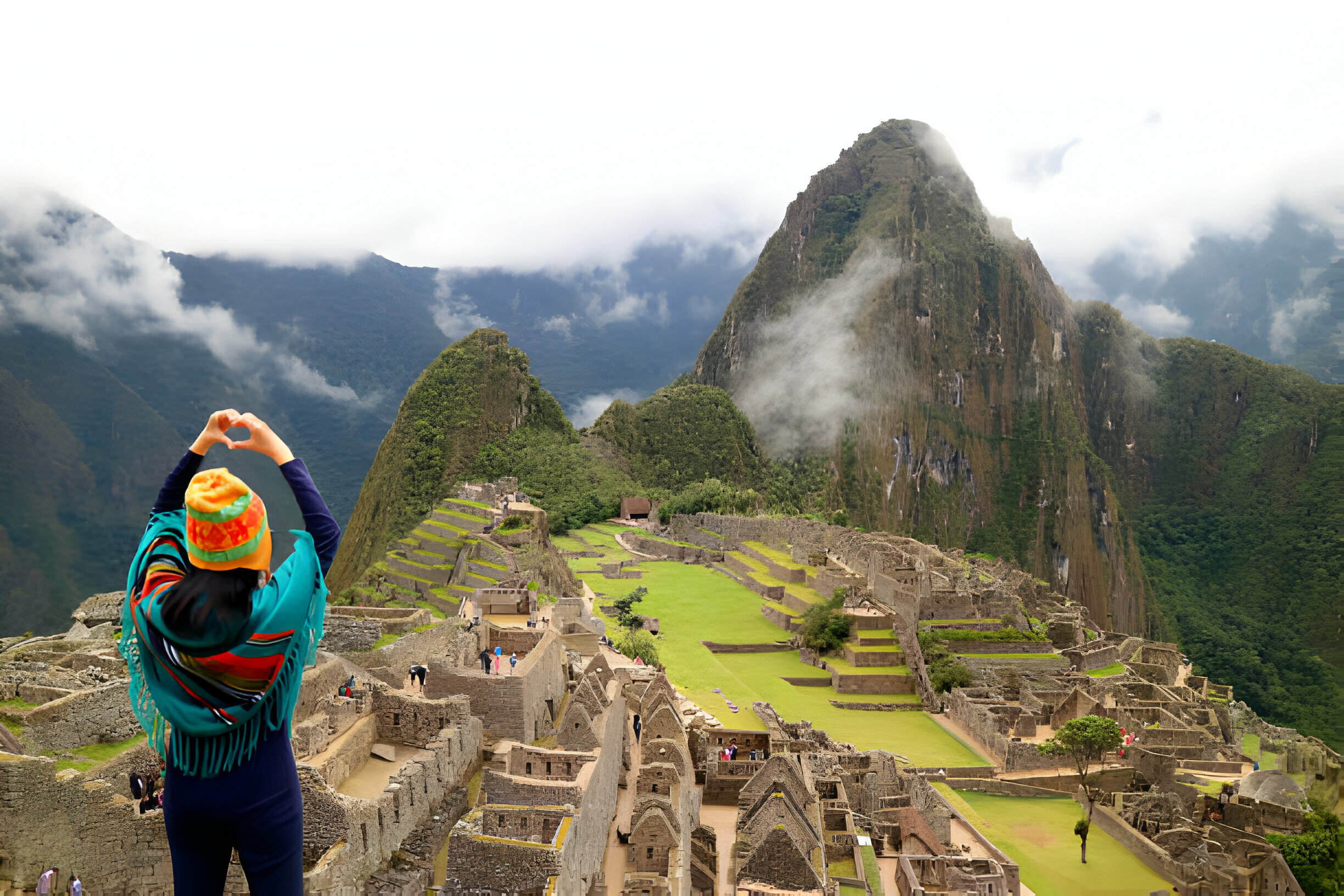
After enjoying breakfast at the hotel, the guide will meet us to begin our tour at the scheduled time for entry to Machu Picchu. We’ll take a bus from Machu Picchu Pueblo to the Machu Picchu citadel. This will be a 25-minute uphill journey.
Upon reaching the main entrance of Machu Picchu, our guide will assist you through the security checkpoint. Here, you’ll need to present your original passport or ID and your entry ticket.
Then, we’ll provide a guided tour of approximately two hours through the citadel. During this tour, we’ll show you some of the main Inca ruins, such as the main square, the ceremonial center, temple remains, and agricultural terraces, among other sites.
After visiting Machu Picchu, you’ll take the bus back to Machu Picchu Pueblo. Then, you’ll board the train back to the Ollantaytambo train station. Our representative will meet you here and take you back to Cusco.
Day 2 Itinerary Summary for the Sacred Valley with VIP Connection to Machu Picchu:
After touring the archaeological sites, you’ll have free time to explore the citadel. Alternatively, you may hike to the Sun Gate, offering a unique view of the citadel. This view is exclusive to those hiking the Inca Trail at dawn. The round-trip hike from the citadel will take two hours.
If you wish to climb Huayna Picchu or Machu Picchu Mountain, our local expert will assist with the entry. Please note that you may book tickets for these respective mountains at the time of booking the tour, at an additional cost.
We recommend that travelers book at least 3 months in advance to secure Route 2 of Machu Picchu, which allows a 2.5-hour visit to Machu Picchu, including the agricultural sector (where you can take some of the best photos) and the classic postcard photo from the Guardian’s House. Booking in advance also allows us to secure the train ticket with a better schedule and view.
This tour requires a General Tourist Ticket or a Partial Tourist Ticket to visit Pisac, Ollantaytambo, and Chinchero. For more information about Tourist Tickets, please see the ‘Recommended to Bring’ tab.
If you want to include Wayna Picchu Mountain, please check availability first, as spaces are limited.
The Vistadome train offers a comfortable and scenic journey to Machu Picchu, with large windows to enjoy the Andean landscape throughout the ride. It also includes snacks, drinks, and an onboard show featuring traditional dances, adding a cultural touch to the experience. On the other hand, Inca Rail’s 360° train is designed for an even more immersive visual experience, with larger panoramic windows and an open-air observatory car, perfect for taking photos and connecting with nature. This service also includes locally inspired snacks and an onboard entertainment system, making the journey modern, comfortable, and immersive.
PeruRail’s Vistadome Observatory goes a step further than the traditional Vistadome service by offering an exclusive observatory car with even wider windows, a glass roof, and an open-air terrace for unobstructed views of the landscape. On certain schedules, this service also features live Andean music and traditional dance performances, creating a more immersive and special experience for travelers seeking something unique on their way to Machu Picchu.
If you plan to visit most of the major tourist sites in Cusco during your stay, we recommend purchasing the General Tourist Ticket to save on entry costs and simplify your trip.
You will need identification documents to enter Machu Picchu
To purchase your Tourist Ticket and entry to the Maras Salt Mines, please bring Peruvian Soles in cash
Chinchero is a Peruvian town and the capital of the district with the same name, located in the Urubamba province in the Cusco department. It is known as the birthplace of Mateo Pumacahua, a hero of Peruvian independence who played a significant role in the Cuzco Rebellion of 1814, alongside the Angulo brothers.
According to the 2017 census, Chinchero had a population of 3,765. It is located about 30 km from the city of Cusco at an altitude of 3,754 meters above sea level.
The monumental zone of Chinchero was declared a historical heritage of Peru on December 28, 1972, through the Archaeological Park R.S.N° 2900-72-ED, as established by National Directoral Resolution No. 515 of 2005.
The Chinchero Archaeological Park covers an area of 34,800 hectares. It was inhabited even before the Inca Empire. During the Tahuantinsuyo period, Inca Tupac Yupanqui planned the construction of palaces for the elite. Today, you can see the remains of the palace upon which the colonial church is built.
During the Inca civilization, Chinchero served as a summer palace for the Incas. After the Spanish conquerors arrived, they destroyed the palace and built a church over its ruins.
Many archaeologists and anthropologists believe that the ruins of Moray were once used to conduct agricultural experiments. One piece of evidence supporting this theory is the complex irrigation system built into the terraces, which was supplied with water from a reservoir high in the mountains.
Another fascinating aspect is the temperature variation within the terraces. Each terrace has a temperature difference of 5°C, and the sun shines on each terrace at unique angles and intensities.
Moray’s microclimate likely allowed the Incas to conduct agricultural research and determine the optimal conditions for various crops to thrive. This suggests that the Incas used their knowledge of the environment to make the most of natural resources.
The Maras Salt Mines consist of over 3,000 natural salt ponds located near the town of Maras. Each pond measures approximately 5 square meters.
These 3,000 ponds are fed by an underground hypersaline spring that originated 110 million years ago during the formation of the Andes Mountains.
Today, these natural salt pools attract hundreds of tourists, offering an impressive view of the landscape.
The people of Maras continue the tradition established by the Incas by harvesting and selling the salt from these mines.
Ollantaytambo (in Quechua: Ullantaytampu, meaning “storehouse or inn of Ollanta”) is a Peruvian town and an Inca archaeological site. It serves as the capital of the district with the same name, located in the Urubamba province in the Cusco department. Ollantaytambo is about 90 km northwest of the city of Cusco.
During the Inca period, Pachacutec conquered the region, establishing the town and a ceremonial center. It served as a fortress for Manco Inca Yupanqui, leader of the Inca resistance during the Spanish conquest. In Ollantaytambo, you will find defensive platforms (used to prevent landslides) instead of agricultural terraces, which are more common at other archaeological sites in Cusco. Today, Ollantaytambo is a major tourist attraction due to its Inca structures and as one of the main departure points for the Inca Trail to Machu Picchu.
Accepted Payment Methods





 Machu Picchu Day Tours
 Machu Picchu Day Tours
 Machu Picchu + Sacred Valley
 Machu Picchu Day Tours