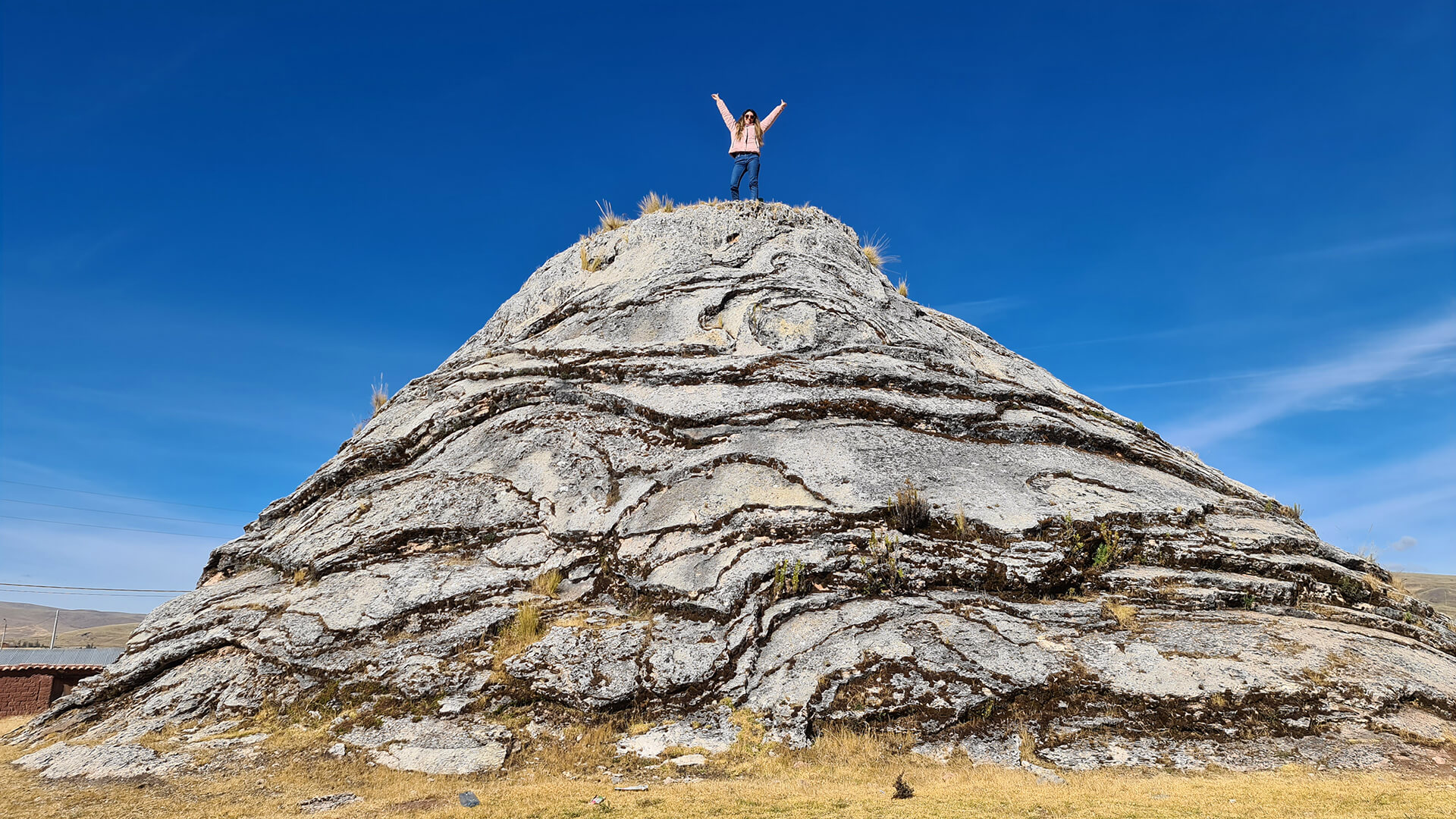






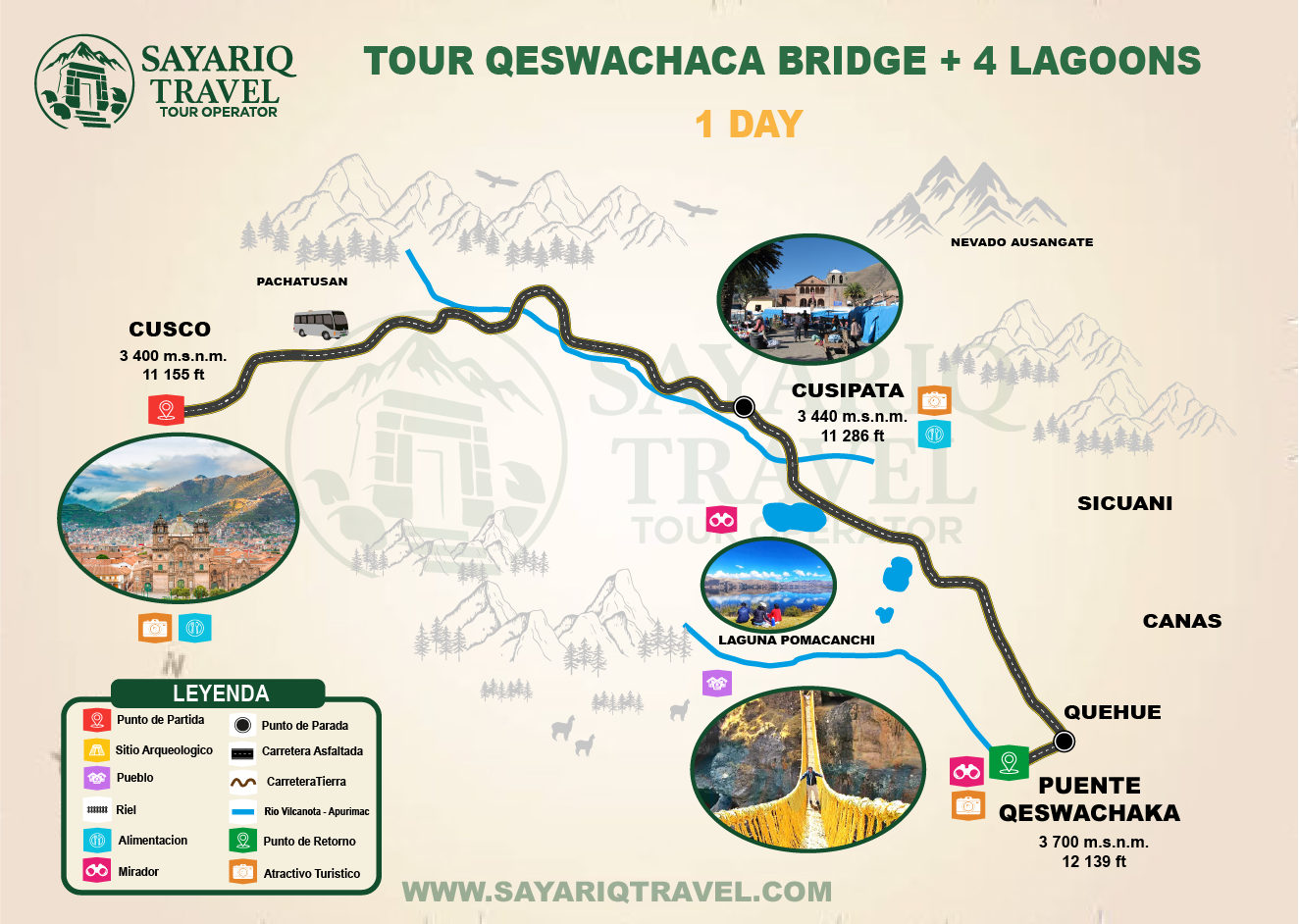
Begin your adventure with a pickup from your hotel, and after approximately three hours of travel, we will make a stop at the community of Combapata, where you will enjoy a delicious buffet breakfast and have access to restrooms. From there, we will head to the Combapata viewpoint, where you can appreciate a panoramic view of the confluence of the Vilcanota and Sallca rivers.
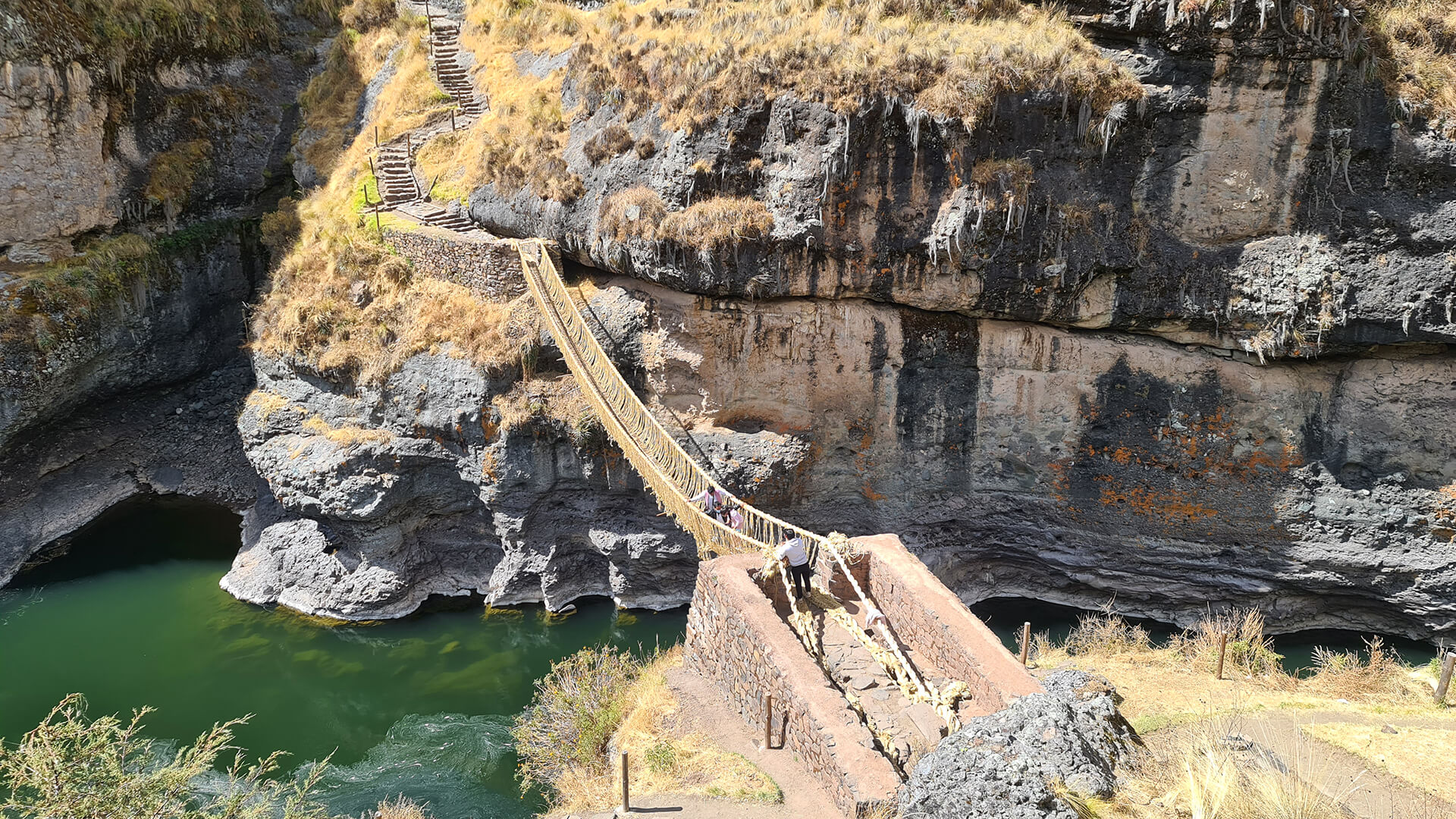
We will continue towards the Pabellones volcano in the district of Yanaoca, and after another hour of travel, we will arrive at the famous Inca bridge of Q’eswachaka, known as ‘the last Qeswachaca bridge.’ This bridge, made from vegetable fiber and measuring 28.67 meters in length, is a marvel of Inca engineering and is reconstructed every year in June by four local communities. Here, you will have time to explore the bridge and its surroundings while your guide shares the history and cultural significance of this structure.
After the visit, we will return to Combapata, where we will enjoy a buffet lunch, further enriching your experience.
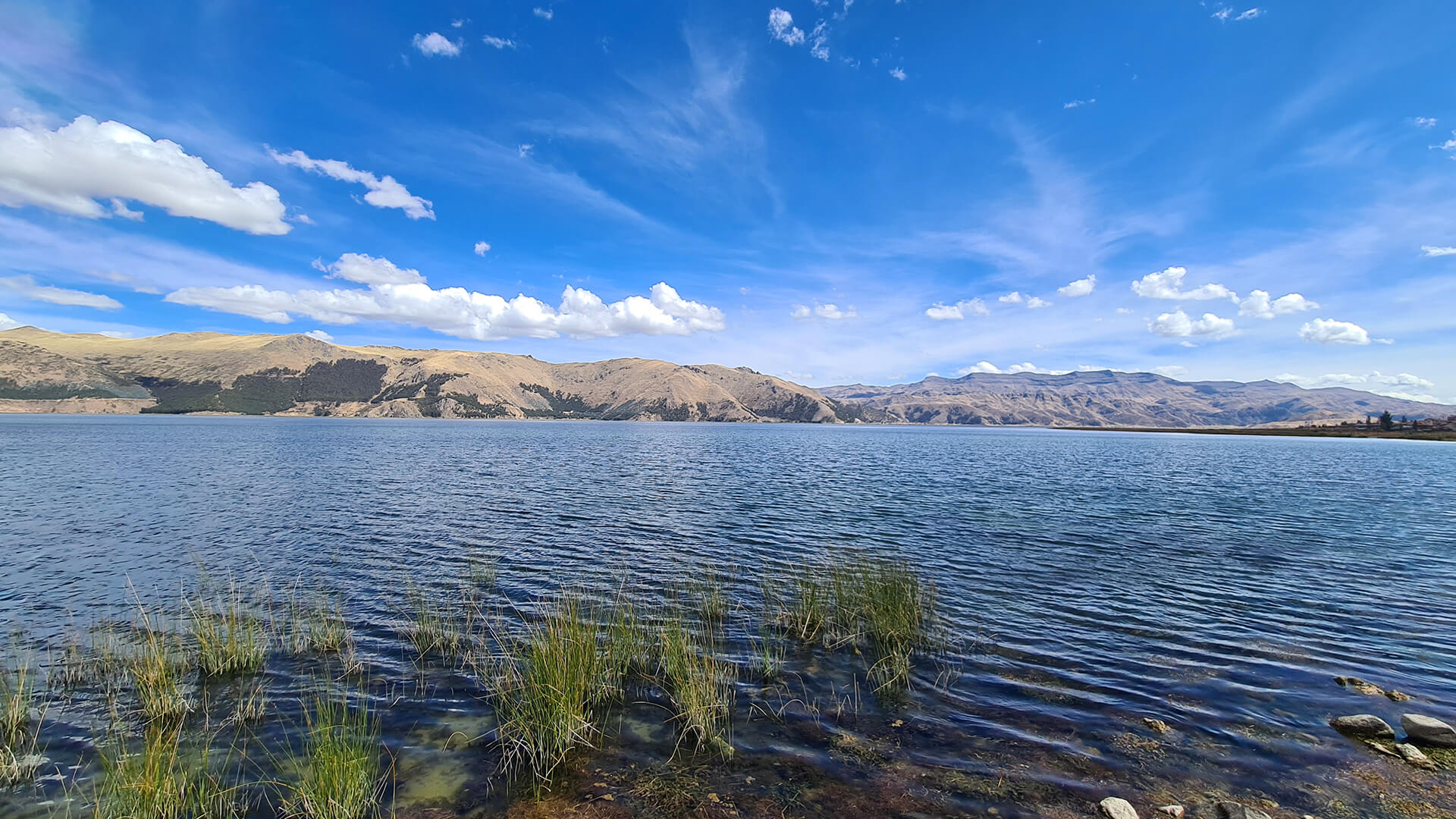
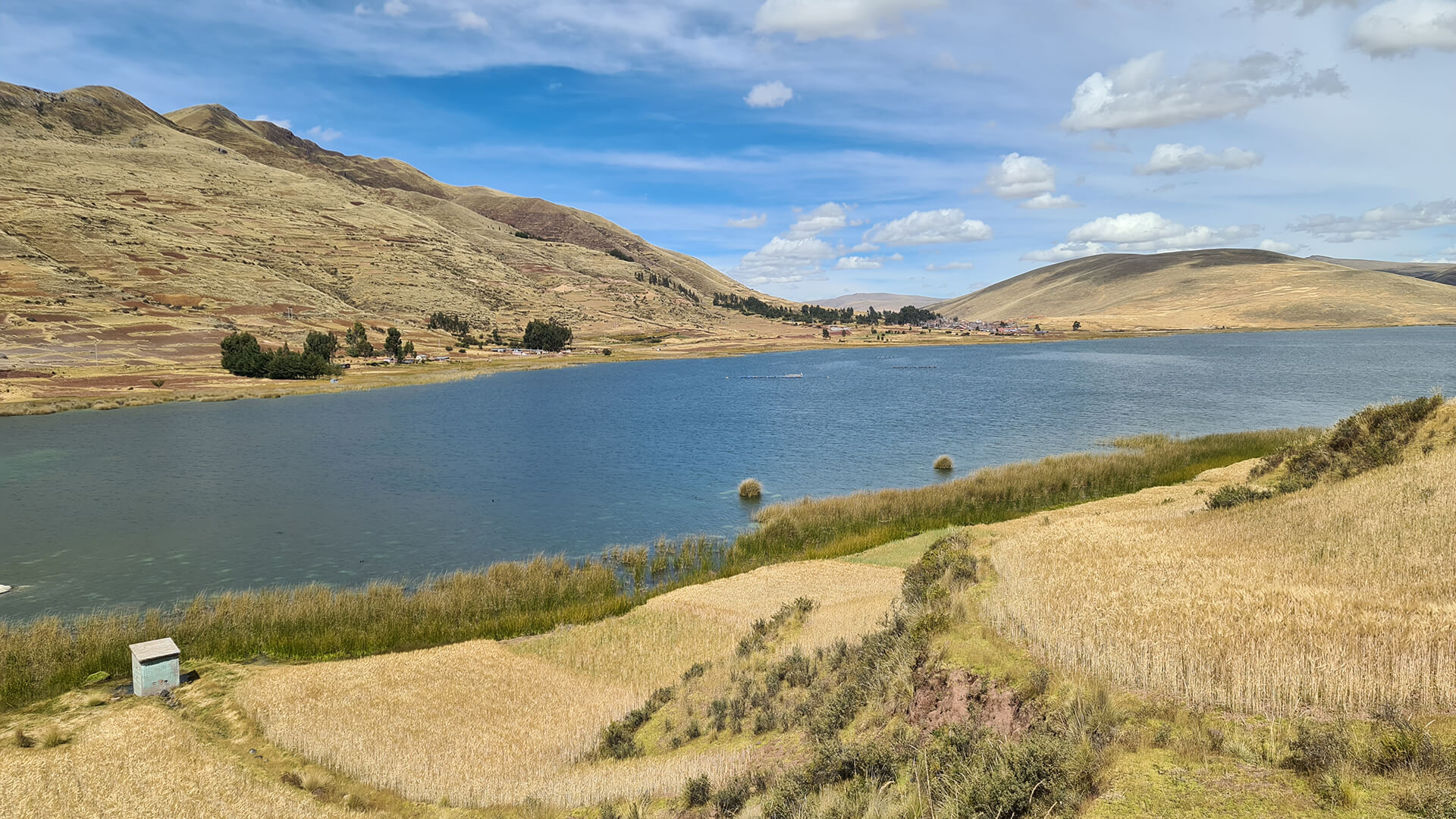
Following lunch, we will take a 15 to 20-minute digestive walk, where you will appreciate the beautiful Pampamarca, Asnacqocha, Acopía, and Pomacanchi lagoons. During this walk, you will enjoy the rich regional flora and fauna, immersing yourself in Andean culture. On our return to Cusco, we will make an optional stop at the Portal of Rumipunku, providing an additional opportunity to enjoy the beauty of the Andean landscape. This tour is designed to be accessible for the whole family, ensuring shared moments and the convenience of traveling most of the way by transportation. The only significant hike is to cross the bridge, offering an exciting experience for adventurers.
We will start our adventure with hotel pickups. We will depart at 5:00 AM, and after approximately 3 hours, we will arrive at the community of Combapata, where we will stop to use the restrooms and enjoy breakfast. Then, we will head to the Combapata viewpoint, where we can appreciate a panoramic view of the confluence of two rivers called Río Vilcanota and Sallca. Continuing, we will visit the Pabellones volcano in the district of Yanaoca, and after one more hour, we will arrive at the district of Q’ewe, where the famous Inca bridge of Q’eswachaka is located, constructed from vegetable fiber and measuring 28.67 meters in length. The remarkable aspect is that it is reconstructed once a year in June by four local communities. At this site, we will have time to explore Q’eswachaka and the surrounding area while your guide narrates the history of this Inca engineering work. After visiting the bridge, we will head to Combapata, the chosen place to enjoy lunch.
After lunch, we will take a 15 to 20-minute digestive walk, where we will appreciate the Pampamarca, Asnacqocha, Acopía, and Pomacanchi lagoons, taking the opportunity to observe a wealth of regional flora and fauna, experiencing an enriching Andean culture. On the return to Cusco, we will make an optional stop at the Portal de Rumipunku.
Queshuachaca (in Quechua, Q’ichwachaka) is a rope bridge constructed from plant fiber (ichu) located in the district of Quehue, province of Canas, in the Cusco region, about three and a half hours from the city of Cusco, at an altitude of 3,700 meters above sea level. It spans the Apurimac River and is part of the ancient Inca road known as the Qhapaq Ñan. The existence of this bridge dates back to the Inca era, and its maintenance and renewal are performed through a ritual carried out by the communities of Huinchiri, Chaupibanda, Ccollana Quehue, and Choccayhua.
During the Inca period, the Quechua people built hanging bridges using plant fibers to cross the rugged geography of the Andes Mountains and connect different communities. Q’eswachaka is the only Inca bridge that is still “alive” today, as it is renewed every year for its preservation.
The Q’eswachaka bridge stretches over the Apurimac River, with a length of 29 meters and a width of 1.20 meters. Its structure is primarily composed of long braided strips of ichu.
Each year during the second week of June, the Q’eswachaka bridge is renewed in a lively celebration that includes traditional food, such as chicha. In this tradition, only men participate in making the rope. The communities of Chaupibanda, Choccayhua, Huinchiri, and Ccollana Quehue come together for its renewal.
The work begins days in advance when residents search for q’oya, a strong plant fiber used in the construction of the bridge. Once collected, it is left to dry for a day before being beaten with stones and soaked to harden it. After this process, q’iswa is created, which is the union of several q’oyas to form a rope. All family members participate in this process. With the q’iswas prepared, everything is ready for the bridge’s renewal, a three-day process that involves various rituals and offerings to Pachamama (Mother Earth) and the Apus (mountains).
Accepted Payment Methods





 All-Day Hiking Tours
 All-Day Hiking Tours
 All-Day Hiking Tours
 ATV Quad Bike Tours